
Brew Light, Wander Far
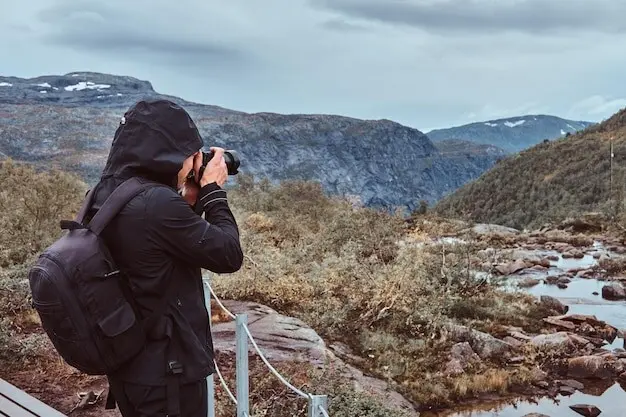
Join us as we dive into Leave No Trace Brewing: Low-Impact Coffee Methods on Remote Trails, celebrating cups that respect fragile ecosystems. We’ll blend practical techniques, science, and trail-tested wisdom so your morning ritual leaves memories, not marks, wherever your boots carry you.
Ground Rules For Impact-Free Sips
Start with respect for water, wildlife, and other hikers by minimizing noise, smell, and leftovers. Follow the 200‑foot rule from lakes and streams, avoid food odors on gear, keep group size small, and plan ahead so equipment, fuel, and packaging leave landscapes undisturbed and genuinely pristine.
Coffee grounds, filters, sachets, and even orange peels from breakfast all ride back with you, sealed in a durable, odor-resistant bag. Double-bag wet waste, squeeze out air, label it, and stow with other smellables in bear-safe storage away from sleeping areas.
Collect water carefully from flowing sources, stepping on durable surfaces and keeping sediment out of bottles. Filter or treat before brewing, and do all rinsing at least two hundred feet away. Scatter strained graywater widely on soil, never into streams, pools, or delicate vegetation.
Boil only what you will drink, shield the flame with a proper windscreen, and stabilize stoves to prevent spills. Choose canisters or alcohol per conditions, check for leaks, and pack out empties. Skip campfires entirely; a whispering stove preserves quiet mornings and fragile aromas.

Ultralight Methods Compared On Real Trails
Weight, taste, cleanup, and packaging all matter when miles stack up. Compare modern instant, reusable mesh cones, cloth socks, pocket presses, and pre-filled drip bags by fuel needs, consistency, and waste. Prioritize reliability in wind, altitude changes, and cold dawns when dexterity drops.
Specialty instant has evolved beyond bitterness and chalk. Single-origin packets brew consistently, demand no extra filters, and shine at altitude. Pack out sleeves and desiccants, taste before trips, and bring one extra for emergencies when storms, fatigue, or illness cancel elaborate routines.
A titanium mesh cone or cotton sock removes paper waste yet requires careful cleanup. Tap grounds into a bag, wipe residual oils with a reusable cloth, and dry discreetly away from water. Expect slightly more fines, balanced by lighter packs and fewer consumables.
Pocket presses and lightweight drip bags deliver excellent body and aroma but create wet components to stash. Press out liquid fully, nest parts to dry, and seal used papers in odor-resistant pouches. Test assemblies at home so cold fingers never fumble critical pieces.

Energy, Heat, And The Quiet Pot
Efficient heat saves fuel weight and reduces emissions from manufacturing and transport. Use heat-exchanger pots, tight-fitting lids, and windscreens, and pre-warm water bottles in your bag. When drought or fire restrictions escalate, switch to no-heat methods and keep meals entirely stove-free.
Beans, Grind, And Storage In Wild Places
Great cups outdoors start at home. Select beans you love, then plan grind size, storage, and packaging for altitude and temperature swings. Protect aroma from humidity, mingling food smells, and curious wildlife, and prepare contingencies if equipment freezes, fails, or disappears mid-route.
Preground Versus Hand Grinder
Preground coffee is lighter and simpler but stales faster; vacuum-sealed doses help. A tiny hand grinder offers freshness and control but costs grams and time. Test both on shakedown hikes to learn tolerance for effort, noise, and chilly fingers at dawn.
Odor Control And Wildlife Safety
Coffee scent draws critters. Double-bag grounds and used filters in odor-resistant pouches, and store with all smellables in approved containers or hangs. Keep mugs, presses, and cloths out of tents, and never dry coffee-soaked materials where breezes push aroma toward water or camps.
Cleanup Without A Trace Of Soap
Clean gear quietly and far from waterways. Skip soaps and biodegradable detergents; oils and scents still harm. Scrape grounds with a stick, wipe with a designated reusable cloth, and dry gear in the sun, leaving no droplets, smears, or stray aromas to attract wildlife.

Trail Stories, Lessons, And Your Voice
Ridge-Top Sunrise With A Calm Cup
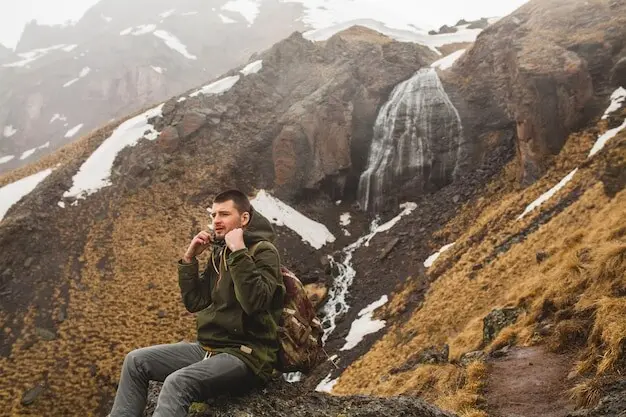
Before a storm on a ridge above treeline, we skipped the flame and cold-brewed overnight, sipping quietly while watching lenticular clouds roll. No wrappers escaped, and a curious pika lost interest, leaving us alone with calm hearts and warm hands.
A Campsite Saved From Bitter Grounds
Once, we found damp grounds beside a tarn. We gathered every speck, packed them out, and returned later to a clear shoreline. That effort turned into a trailhead conversation inspiring others to plan better, carry pouches, and savor cleaner morning horizons.
Share, Subscribe, And Keep The Kettle Light
Tell us how you brew lightly and what gear actually earns space in your pack. Share tips, subscribe for fresh field tests, and join replies with respectful challenges. Together we refine rituals so wilderness stays wild while our cups stay wonderfully alive.